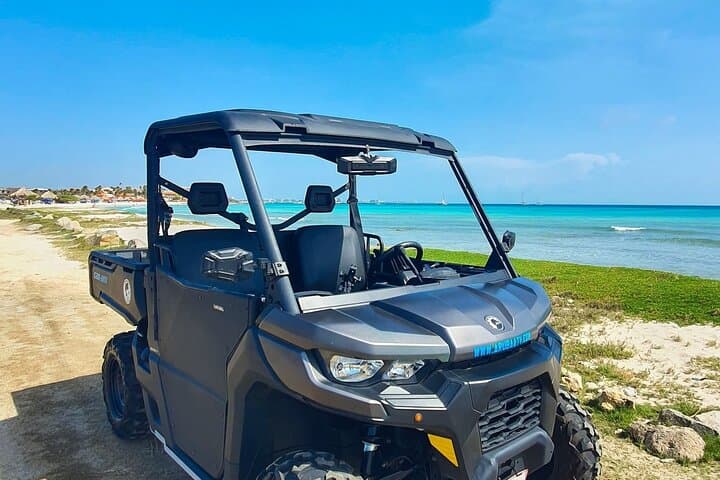
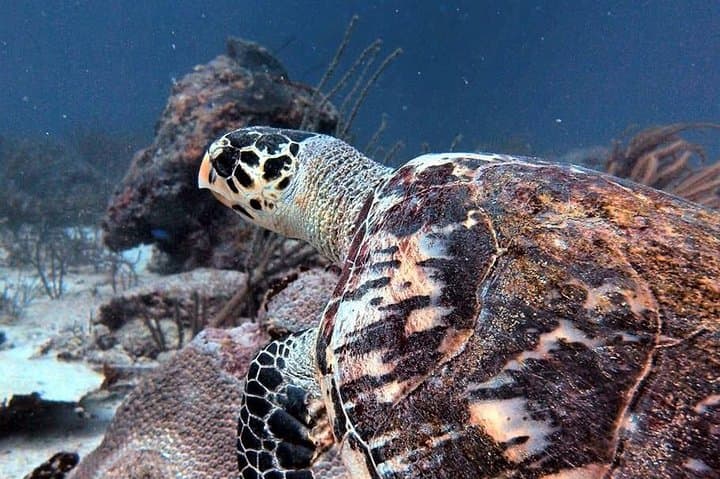
Arikok National Park Adventures
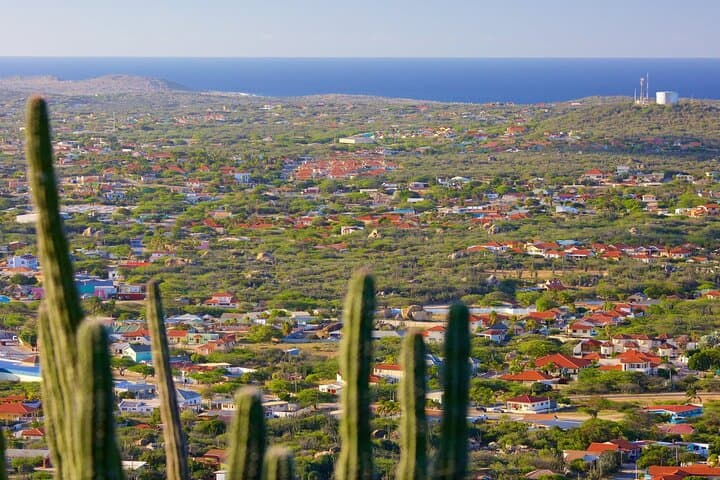
Arikok National Park showcases the rugged and picturesque landscape of Aruba with its fascinating geology and diverse flora and fauna.
Popular Activities
Plan Your Visit
Everything you need to know to prepare for an unforgettable trip to Arikok National Park.
Entrance Requirements
Entry fee required, usually payable in cash.
Best Time to Visit
Best from November to April to avoid the extreme summer heat.
Visitor Information
Visitors Center at the main entrance provides maps and information.
Getting There
Access via major island roads, with some internal areas requiring 4WD.
Weather & Climate
Arikok National Park features a hot, semi-arid climate with temperatures averaging 82°F year-round. The windy season from January to March provides a slight decrease in humidity, while May to October can witness more precipitation in short bursts.
Conservation Efforts
Environmental concerns include the preservation of native species such as the endangered rattlesnake, invasion of non-native plants, and human impact on archaeological sites like the petroglyph caves.
Camping in Arikok National Park
Find the perfect spot to stay overnight and immerse yourself in the details.
Not Applicable
There are no campgrounds inside the park.
Top Trails
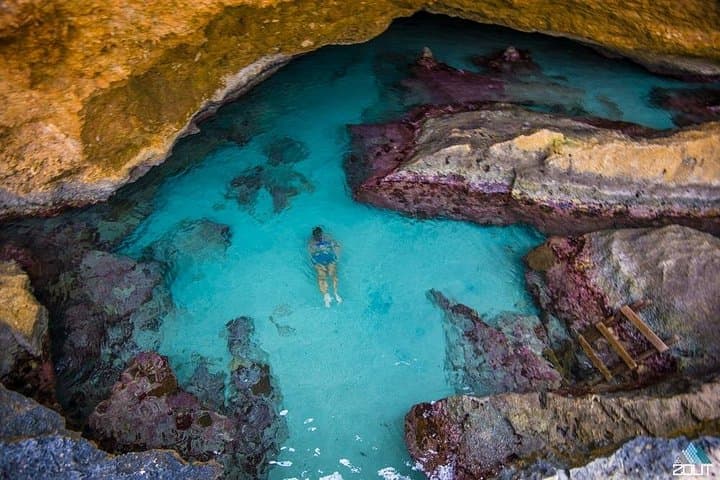
Conchi Natural Pool Trail
Leads to the popular natural pool, offering scenic ocean views.
Fontein Cave Trail
Connects to Fontein Cave, featuring archaeological and geological points of interest.
Jamanota Hill Trail
Ascends to the highest point in Aruba, with sweeping island vistas.
Arikok Hill Trail
Challenging hike up Arikok Hill for stunning panoramic views.
Trailblazer Tips
Bring plenty of water and sun protection as the park is largely exposed to direct sunlight.
Visit early in the day to avoid the midday heat and crowds.
Check local app balances for entry fees as card payments might not be accepted.
Hiking boots with solid grip are recommended for rocky and uneven trails.